Renovations and Insurance: What You Must Tell Your Home Insurance Provider
Home renovations can add value to your property. But they can also affect your home insurance, sometimes in ways that people don't expect.
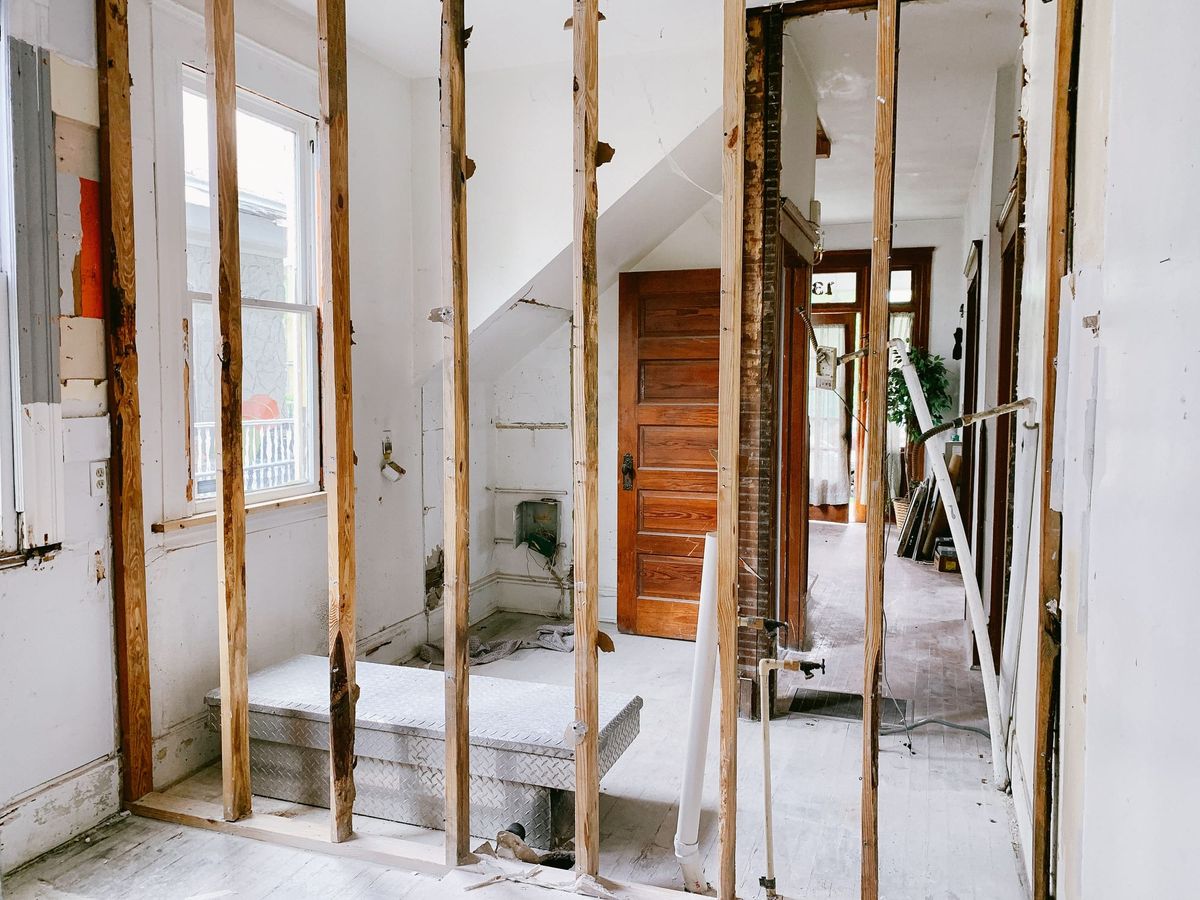
Home renovations can add value to your property. But they can also affect your home insurance, sometimes in ways that people don't expect.
Whether you're adding an extension, replacing your roof, or simply redecorating, it's important to understand what you do and don’t need to tell your insurer and when.
Why do renovations matter to your insurer?
Home insurance is calculated on both the risk and the value of the property. Insurers rely on accurate information about your home to determine the right level of cover and to price your policy appropriately.
Renovations can change that picture. They may increase the rebuild cost of your home, introduce new risks during the construction period, or alter the property in ways that affect your cover.
Failing to inform your insurer about significant work could cause a number of issues. It might mean that claims are rejected or the payout is reduced, and in some cases it could even make your policy invalid.
What counts as a significant renovation?
Not every bit of DIY needs to be reported. Repainting a room, fitting new carpets, or replacing a kitchen appliance won't generally affect your cover.
However, we’d recommend contacting your insurer if you're planning:
- An extension or conservatory
- Loft conversion
- Structural work - such as removing or adding walls
- A new roof or major roofing work
- Rewiring or major plumbing work
- Installing a new kitchen or bathroom (where significant plumbing is involved)
- Any work that requires planning permission or building regulations approval
If you're not sure whether you need to tell your insurer, it's always better to ask. A quick call can save a lot of problems later.
If you have a NatWest Home Insurance policy give us a call on 0161 570 8296 to discuss changes and we can advise you on whether they’ll effect your policy. We’re here 9am – 5pm, Monday to Friday.
Risks during the work itself
Building work introduces risks that your standard home insurance may not cover. Here are some of the key things to think about whilst your home is being worked on:
- Tradespeople coming and going increases the risk of theft or accidental damage. Always check that any contractor you hire has valid public liability insurance. If they cause damage to your property or a neighbour's property, their insurance should cover it. Ask to see proof before any work begins.
- Consider whether your home will be unoccupied during renovations. If the property is unoccupied for more than 60 days then it won’t be covered under a standard home insurance policy. Get in touch with your insurance provider to discuss your options.
- Depending on the scale - for example work that requires planning permission or building regulations approval, it may not be covered by standard home insurance. If you have a policy with NatWest, get in touch with us to arrange temporary specialist insurance to cover your home whilst renovations are taking place.
Always check your home insurance policy wording to get an understanding of exclusions and what your insurance provider needs to know about renovations before you begin.
How renovations affect your rebuild cost
Your buildings insurance is based on your home’s rebuild cost - the amount it would cost to rebuild it completely from scratch, not its market value.
If you add an extension, convert your loft, or add a basement, the rebuild cost of your property may increase. If you don't update your policy to reflect this, you could end up underinsured.
You should be contacting your insurance provider prior to beginning any significant work, due to the increased risk. But also after any significant work is complete tell your insurer what's been done and update your rebuild cost if necessary.
After the work is done
Once your renovation is complete, take time to review what's changed. Has the rebuild cost of your property increased? Are there new fixtures or fittings that need to be covered?
Make sure you update your policy to reflect these changes. It's also worth taking photographs of the finished work for your records, and keeping any certificates - such as those for electrical or gas work - somewhere safe.
Don’t forget about changes in your contents
If you’ve made a significant changes to your home, such as adding an extension or loft conversion, it’s likely that you’ve also purchased new furniture for that area.
If you only have buildings insurance, you don’t need to worry about this. However, most people have a combined policy of both buildings and contents insurance.
If that applies to you, it’s important to reassess the value of your contents after a renovation. Consider any new items you have purchased as well as any old belongings you might have removed. Make sure your total contents value is up to date and inform your insurer of any changes to ensure you remain full covered.
In summary
- Tell your insurer before major work begins.
- Make sure contractors have their own liability cover.
- Update your policy once the work is done.
A short conversation with your insurer at the start of a project can save a great deal of time, stress, and money if something goes wrong.