Home Insurance for Landlords vs Homeowners
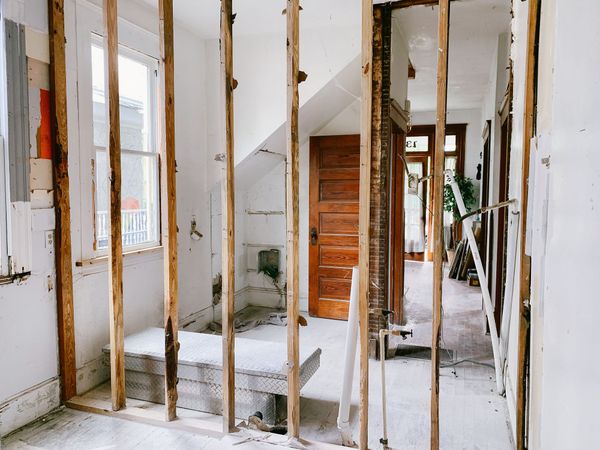
Home renovations can add value to your property. But they can also affect your home insurance, sometimes in ways that people don't expect.
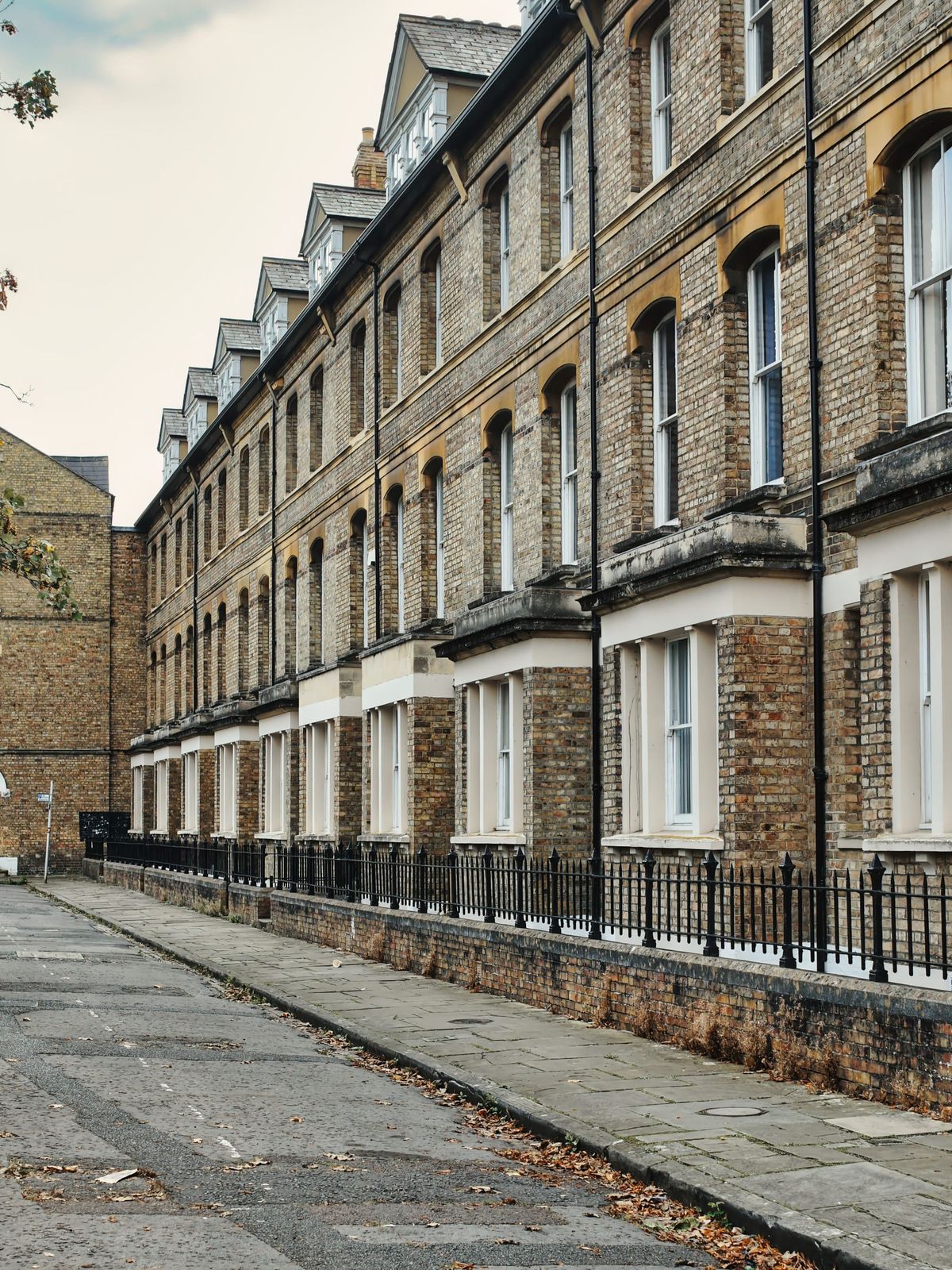
Whether you own your home or rent it out to tenants, having the right insurance matters. But the cover you need depends on your situation. Landlord insurance and standard home insurance are not the same thing.
This article explains the key differences, so you can make sure you have the right protection in place.
Standard home insurance: what it covers
If you live in your home, you may need two types of insurance.
Buildings insurance covers the structure of your property. This includes the walls, roof, floors, windows, and fitted fixtures like kitchens and bathrooms. It protects against sudden and unexpected events like fire, flooding, storm damage, and subsidence.
Contents insurance covers your personal belongings. This includes furniture, electronics, clothing, jewellery, and other items inside your home. It usually covers loss or damage caused by things like theft, fire, or water damage.
Buildings insurance is often a requirement of mortgage lenders, but there can be benefits to having both. Many people buy buildings and contents insurance together as a combined policy. This can be more convenient and sometimes more cost-effective too.
A standard home insurance policy is designed for people who own and live in their property. It generally covers you and family members who live with you, but it does not cover properties that are rented out to tenants.
If you rent out your property and only have standard home insurance, you may find that any claims you make are rejected. Insurers need to know how a property is being used to assess the risk correctly.
Landlord insurance: what it covers
Landlord insurance, sometimes called buy-to-let or BTL insurance, is designed for property owners who rent to tenants. It typically includes buildings insurance and it can come with additional features that reflect some risks of letting.
These extra features often include:
- Liability cover - protects you if a tenant or visitor is injured at your property and holds you responsible
- Malicious damage by tenants – this is optional and covers deliberate damage caused by tenants
- Legal expenses cover – also optional, this helps with the cost of disputes with tenants
There are other optional covers available, such as ‘Let Home Emergency’ or ‘Manufacture & Harvest of Drugs’ cover. Speak with your chosen insurer before purchasing your policy to get full details on optional cover, so you can select what works best for you.
Do landlords need contents insurance?
Landlord contents insurance can also be added if you let a furnished property. This covers items you own inside the home, like white goods or furniture. If the property is furnished, it's worth taking out landlord contents insurance to cover the items you've provided.
If you're renting out an unfurnished property, you probably don't need contents insurance. Your tenants are responsible for insuring their own belongings.
Tenants should be encouraged to take out their own contents insurance to protect their personal belongings. This is their responsibility, not yours.
Key differences for landlords vs homeowners
Whilst standard home insurance is for home-owners, landlord insurance is for properties rented out to tenants. The core difference lies in the additional risks that come with being a landlord - things like tenant damage, loss of rent, and liability for injury on your property.
Using the wrong type of insurance could mean your claims are denied when you need them most. Always be upfront with your insurer about how you use your property.
Switching between the two
If your circumstances change - for example, you move out and start renting your home or a tenant leaves and you move back in - you need to tell your insurer as soon as possible.
Failing to notify your insurer of a change in how your property is used could invalidate your cover. It's also important to let them know if the property will be unoccupied for an extended period, as this can also affect your policy.
Getting the right advice
If you're not sure which type of insurance you need, it's worth speaking to an insurance provider who can guide you based on your specific situation.
NatWest Home Insurance covers a range of needs. Whether you are homeowner, a landlord or have more complex requirements, make sure you tell your provider about your circumstances so they can find the right cover for you.
If in doubt call us on 0161 570 8296 or email contact@homeinsurance.natwest.com. We’re here 9am-5pm, Monday to Friday.