Spring: Home Maintenance Checklist
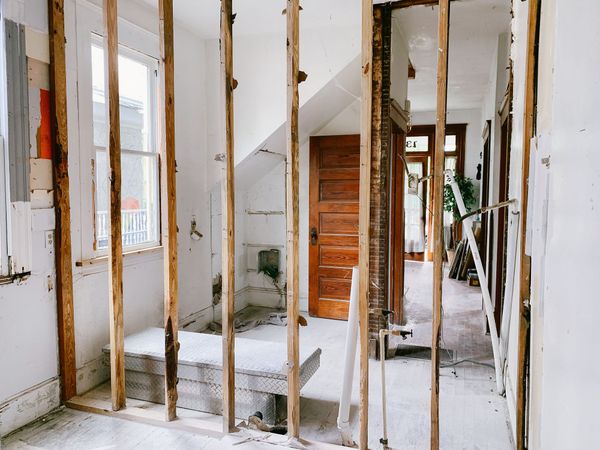
Home renovations can add value to your property. But they can also affect your home insurance, sometimes in ways that people don't expect.

After the cold, damp months of winter, spring is the ideal time to give your home a good once-over. A bit of time and effort now can prevent small problems from becoming big and expensive ones later.
Some of these tasks are also important from an insurance perspective. Insurers expect homeowners to keep their property well maintained. If damage occurs because of an issue that could have been avoided if the home was properly maintained, your claim may not be covered.
Work through this checklist to help make sure your home is in good shape heading into the warmer months.
The outside of your home
Start with the exterior, which takes the most punishment from winter weather.
Check the roof. Look for missing, cracked, or slipped tiles. If you're not confident in what you should be looking for, ask a professional to take a look. Damaged tiles can let water in, leading to damp and structural damage.
Check your gutters and drainpipes. Clear out any leaves, debris, or moss that have built up over winter. Blocked gutters cause rainwater to overflow, which can damage your walls and foundations. While you're at it, check that gutters are securely attached and not sagging.
Check around windows and doors for gaps or cracks in the sealant. These can let in water and draughts. A tube of exterior sealant can make a real difference.
Check any flat roofs, which are more likely to be found on extensions and outbuildings. Flat roofs are particularly vulnerable to pooling water and can develop cracks or blisters over winter. Get any damage repaired promptly.
Your garden and exterior spaces
Check your fences and garden walls regularly. Winter weather can loosen fence posts and cause cracks in wall mortar, which may make them unstable. This can become a safety risk, and if your fence falls and damages a neighbour’s property, you could be responsible for the repairs.
Check any sheds and/or outbuildings. In particular, look at the roof, windows, and locks. These are common targets for burglars. Make sure anything of value stored inside is properly secured.
Inside your home
Look for signs of damp or mould. Winter is when damp problems tend to develop or worsen. Check corners, behind furniture, around windows, and under sinks. If you do need to treat mould, make sure to also address the source of any moisture to prevent it returning.
Check pipes under sinks and around the boiler for any signs of small leaks. A slow drip left unchecked can cause significant water damage over time.
Check your boiler and arrange a service if you haven't had one recently. A well-maintained boiler is more reliable, more efficient, and less likely to break down. Additionally, home emergency cover policies may ask that boilers are maintained and serviced in line with the manufacturer's recommendations. If a boiler hasn't been properly serviced, a claim could be refused or reduced on the grounds of lack of maintenance or neglect.
Look at your loft, if you're able to safely access it. Check for signs of leaks, daylight coming through the roof or any pest activity. Make sure loft insulation hasn't become damp or disturbed.
Windows and ventilation
Open windows and air rooms thoroughly after winter. Good ventilation reduces condensation and reduces the likelihood of mould growth. Check that window handles, hinges, and locks are all working properly too.
A note on insurance
Home insurance is designed to cover sudden and unexpected events - not gradual wear and tear or lack of maintenance. If you make a claim and your insurer finds that the damage was caused or worsened by a failure to maintain the property, your claim payout may be reduced or rejected entirely.
If you spot a problem during your spring check that you're not sure how to fix, don't leave it. Get a quote from a reputable tradesperson and deal with it sooner rather than later.
A little maintenance in spring can save you a great deal of money and inconvenience later. And it helps make sure that when you need your home insurance, it's there for you.